📋 OBSTETRICS AND GYNAECOLOGY
Applied Anatomy in Gynaecology Complete Guide for MBBS and OBG Exams
Comprehensive guide on applied anatomy in gynaecology covering uterus, cervix, ovaries, fallopian tubes, pelvic floor, blood supply, lymphatic drainage, nerve supply, pelvic supports, surgical anatomy, prolapse, infertility, and oncology relevance for MBBS and postgraduate exams.
Choose Your Mode
How do you want to practice?
Study Mode
Learn at your own pace. Get instant feedback and detailed explanations after each question.
Start Studying
Exam Mode
Simulate real exam conditions. Timed questions, full scoring, and performance breakdown.
Take Exam
Strict Exam
Maximum difficulty. Full-screen, no backtracking, strict timing. For serious preparation.
Frequently Asked Questions
❓ What is applied anatomy in gynaecology?
Applied anatomy in gynaecology refers to the clinical application of female pelvic anatomical knowledge for diagnosis, surgical procedures, obstetrics, infertility management, oncology staging, and management of prolapse and pelvic floor disorders.
❓ Why is knowledge of ureter anatomy important in hysterectomy?
The ureter passes under the uterine artery near the cervix (water under the bridge). During hysterectomy, it is at risk of accidental ligation or injury, leading to hydronephrosis or fistula formation.
❓ What are the primary supports of the uterus?
The primary supports of the uterus are the transverse cervical (cardinal) ligaments, uterosacral ligaments, and pubocervical ligaments. Weakness of these structures leads to uterine prolapse.
❓ What is the most common site of ectopic pregnancy?
The ampulla of the fallopian tube is the most common site of ectopic pregnancy because fertilization normally occurs there.
❓ Where does cervical cancer commonly arise?
Cervical cancer most commonly arises at the transformation zone, where the squamous epithelium meets the columnar epithelium (squamocolumnar junction).
❓ What is the significance of the pouch of Douglas?
The pouch of Douglas (rectouterine pouch) is the lowest peritoneal point in females. Fluid, blood, or pus accumulates here in conditions like ectopic pregnancy rupture or pelvic inflammatory disease.
❓ How does ovarian cancer spread through lymphatics?
Ovarian lymphatics follow the ovarian vessels to para-aortic lymph nodes, explaining early retroperitoneal spread in ovarian carcinoma.
❓ Why is the levator ani muscle important in gynaecology?
The levator ani forms the main pelvic floor support. Weakness or injury during childbirth can lead to stress urinary incontinence, cystocele, rectocele, and uterine prolapse.
❓ What forms the lower uterine segment in pregnancy?
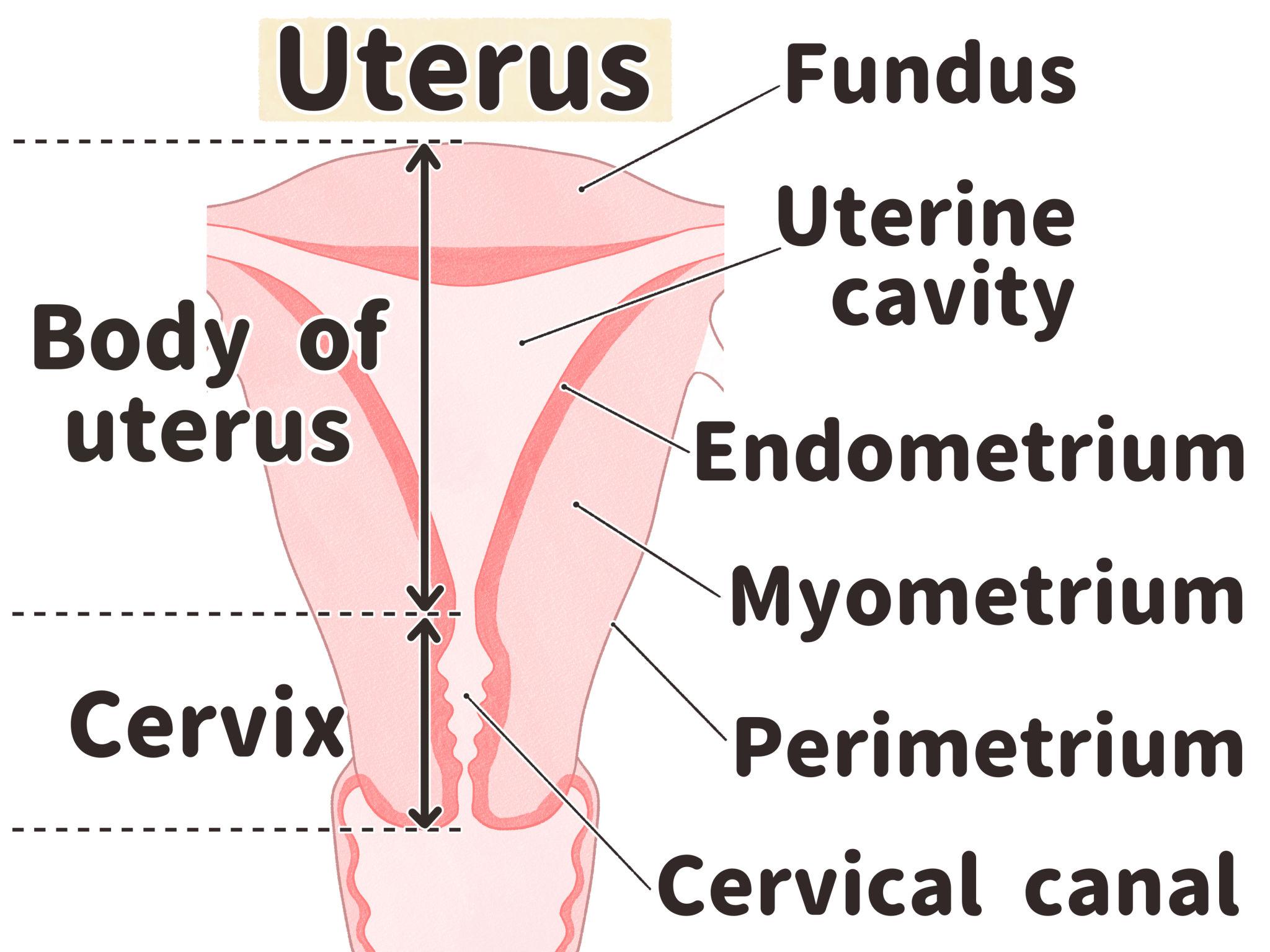
The uterine isthmus elongates and forms the lower uterine segment during pregnancy, which is the preferred site for cesarean section incision.
❓ What is the lymphatic drainage of the cervix?
The cervix primarily drains into internal iliac and sacral lymph nodes, which is important in staging cervical cancer.
❓ What is the clinical importance of the suspensory ligament of the ovary?
The suspensory ligament (infundibulopelvic ligament) contains the ovarian vessels. It is ligated during oophorectomy and is involved in ovarian torsion.
❓ How is labor pain transmitted neurologically?
First-stage labor pain is transmitted via T10–L1 spinal segments, while second-stage pain is transmitted via S2–S4 segments through the pudendal nerve.
❓ What developmental defect causes a septate uterus?
A septate uterus results from failure of resorption of the Müllerian septum during embryological development.
❓ What is the significance of the ischial spine in obstetrics?
The ischial spine is a landmark used to assess fetal head station during labor and is also the site for administering a pudendal nerve block.
❓ Why is the uterine artery clinically important?
The uterine artery supplies the uterus and is ligated during hysterectomy or postpartum hemorrhage control. It crosses over the ureter, making anatomical knowledge critical during surgery.