📋 OBSTETRICS AND GYNAECOLOGY
Complications of Third Stage of Labour Causes Risks Prevention and Management
Comprehensive guide on complications of the third stage of labour including postpartum hemorrhage retained placenta uterine inversion risk factors prevention and clinical management.
Choose Your Mode
How do you want to practice?
Study Mode
Learn at your own pace. Get instant feedback and detailed explanations after each question.
Start Studying
Exam Mode
Simulate real exam conditions. Timed questions, full scoring, and performance breakdown.
Take Exam
Strict Exam
Maximum difficulty. Full-screen, no backtracking, strict timing. For serious preparation.
Frequently Asked Questions
❓ What is the third stage of labour?
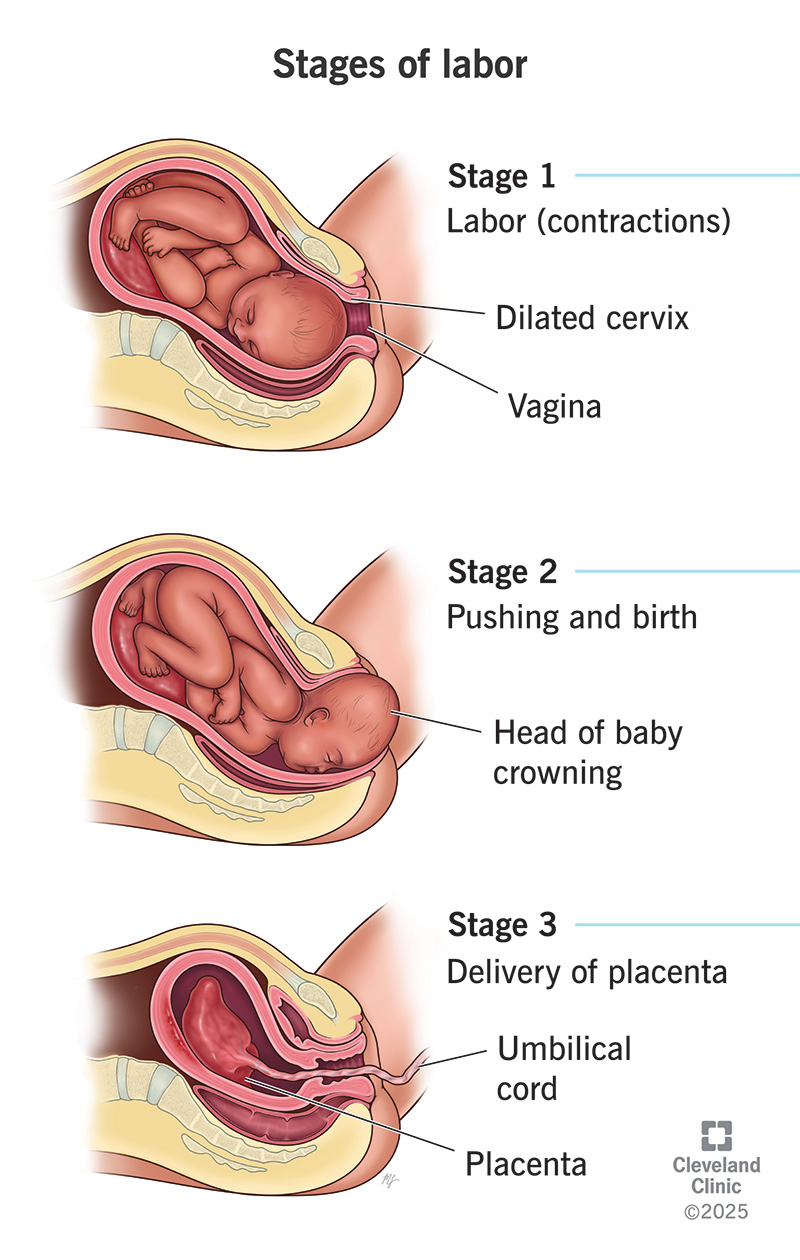
The third stage of labour is the period from the birth of the baby until the complete expulsion of the placenta and membranes.
❓ What is the most common complication of the third stage of labour?
Postpartum hemorrhage due to uterine atony is the most common and most serious complication.
❓ What are the main causes of postpartum hemorrhage in the third stage?
The main causes are described by the 4 Ts:
Tone (uterine atony)
Tissue (retained placenta)
Trauma (genital tract injury)
Thrombin (coagulation disorders)
❓ How does placenta accreta cause complications?
Placenta accreta prevents normal placental separation, leading to massive hemorrhage and often requiring surgical intervention or hysterectomy.
❓ How can complications of the third stage of labour be prevented?
Most complications can be prevented by active management of the third stage of labour, skilled birth attendance, and early identification of high-risk cases.