📋 Paediatrics
Normal Growth in Pediatrics: Weight, Height, Head Circumference and Growth Patterns
Learn normal pediatric growth in detail including expected weight gain, height increase, head circumference, growth velocity, percentile charts, and key factors affecting child development from birth to adolescence.
Choose Your Mode
How do you want to practice?
Study Mode
Learn at your own pace. Get instant feedback and detailed explanations after each question.
Start Studying
Exam Mode
Simulate real exam conditions. Timed questions, full scoring, and performance breakdown.
Take Exam
Strict Exam
Maximum difficulty. Full-screen, no backtracking, strict timing. For serious preparation.
Frequently Asked Questions
❓ What is normal growth in pediatrics?
Normal growth in pediatrics refers to the expected increase in weight, height or length, head circumference, and body proportions in children according to age, sex, and genetic potential, following predictable patterns over time.
❓ Which parameters are used to assess normal growth in children?
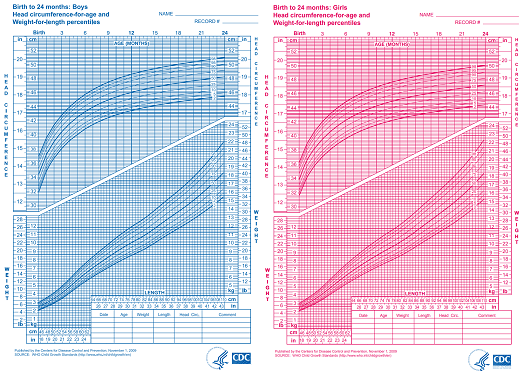
Normal growth is assessed using weight, length or height, head circumference (especially in children under 3 years), body mass index (BMI), and growth velocity measured over time.
❓ How much weight gain is normal in infancy?
A healthy term infant regains birth weight by 10–14 days, doubles birth weight by 4–6 months, and triples birth weight by 12 months.
❓ What is normal height or length gain in the first year of life?
Infants grow approximately 25 cm in length during the first year of life, with the fastest growth occurring in the first 6 months.
❓ What is growth velocity and why is it important?
Growth velocity is the rate of increase in height or weight over time. It is important because a reduced growth velocity may indicate underlying nutritional, endocrine, or systemic disease even if current measurements appear normal.
❓ What growth percentile range is considered normal?
Children growing consistently between the 5th and 85th percentiles are generally considered to have normal growth, provided growth velocity is appropriate and stable.
❓ Why is head circumference important in early childhood?
Head circumference reflects brain growth. Abnormal increases or decreases may indicate conditions such as hydrocephalus, microcephaly, or neurologic disorders.
❓ What factors influence normal growth in children?
Growth is influenced by genetics, nutrition, hormonal status, chronic illness, psychosocial environment, and overall health.
❓ What is mid-parental height and its clinical use?
Mid-parental height estimates a child’s genetic growth potential and helps determine whether a child’s growth pattern is appropriate for family background.
❓ What is the normal pattern of growth during puberty?
Puberty is characterized by a rapid growth spurt. Girls usually reach peak height velocity before menarche, while boys experience peak growth later and grow for a longer duration.
❓ When should abnormal growth be suspected?
Abnormal growth should be suspected when a child crosses two or more major percentile lines downward, has poor growth velocity, or shows disproportionate growth.
❓ What is the difference between wasting and stunting?
Wasting refers to low weight-for-height indicating acute malnutrition, while stunting refers to low height-for-age indicating chronic malnutrition or long-standing illness.
❓ How is BMI used in pediatric growth assessment?
BMI-for-age percentiles are used in children older than 2 years to classify underweight, normal weight, overweight, and obesity.
❓ Can children with short parents have normal growth?
Yes, children with short parents may have familial short stature, characterized by normal growth velocity and consistent tracking along a lower percentile.
❓ Why is serial growth measurement more important than a single measurement?
Serial measurements reveal growth trends and velocity, which are more reliable indicators of normal or abnormal growth than a single isolated value.